
Discover
Grown on our own land, from the soil up.
Alepu began on a farm, not in a lab. Seven years of growing our own plants is where the knowledge came from — and it is why we can tell you the field, the harvest and the hands behind a bottle.
The land
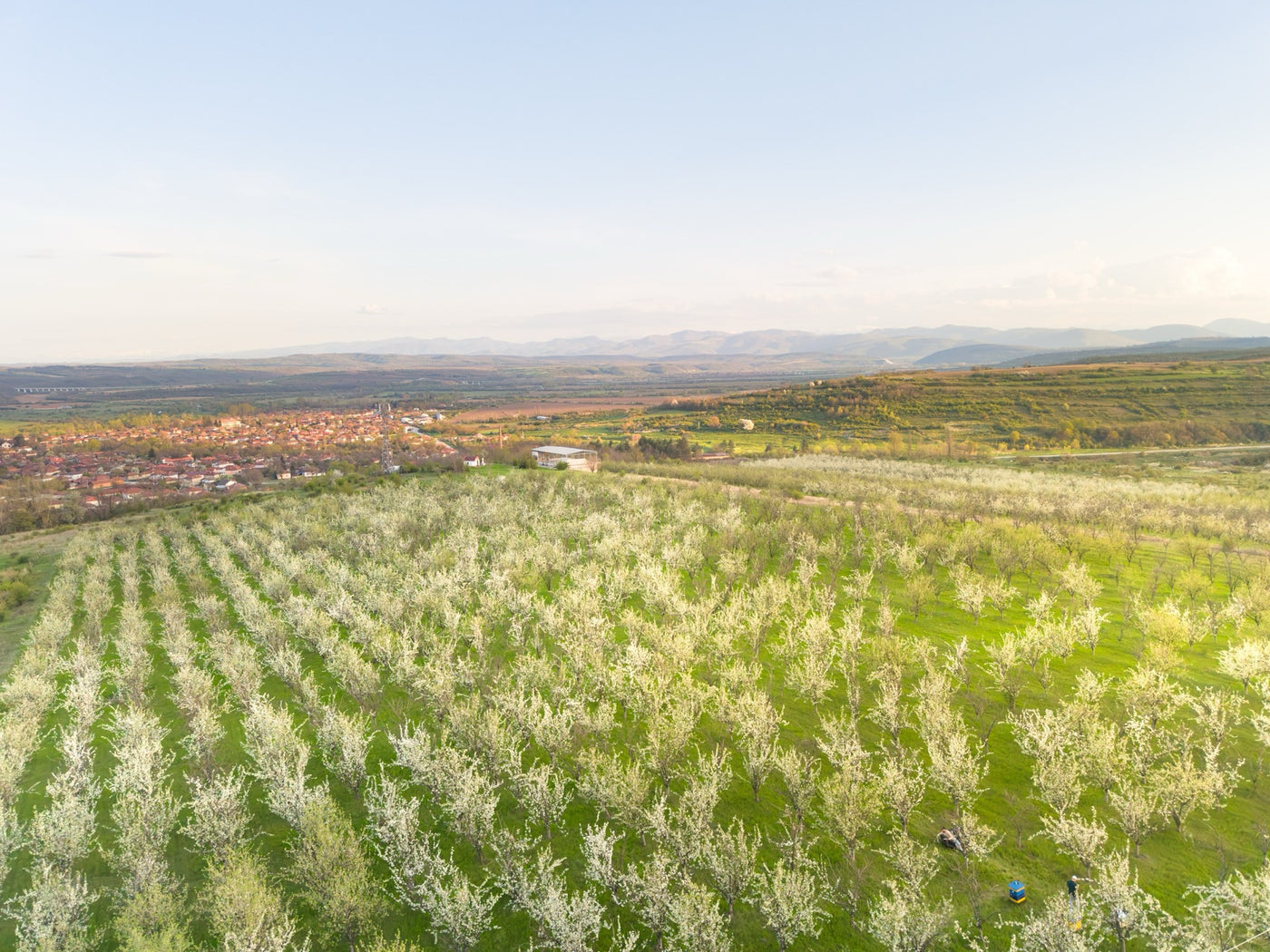
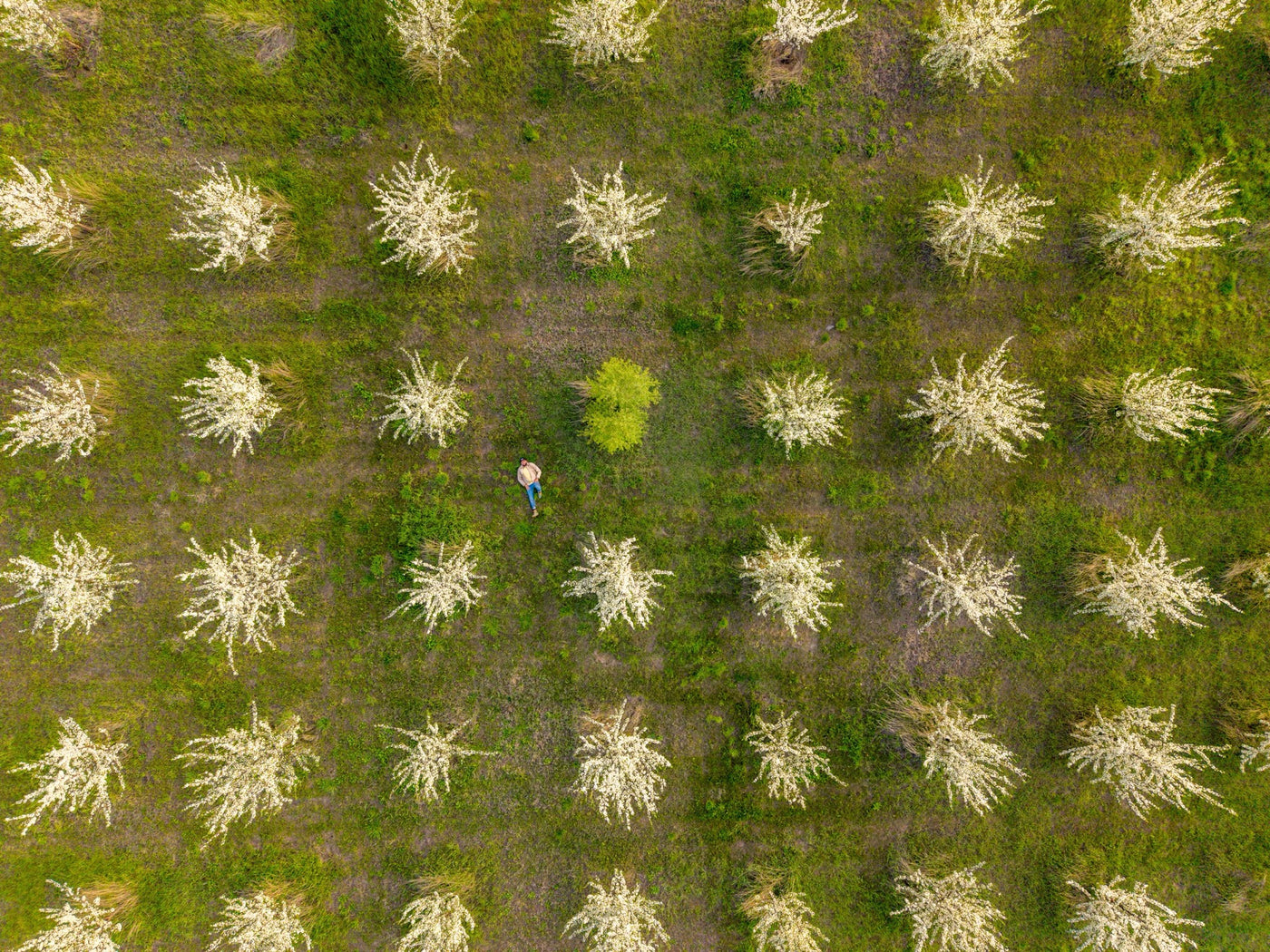
The soil came first.
Regenerative agriculture means the soil is in better condition at the end of a season than at the start. Cover crops, rotation, animals back on the land, no stripping it for one good year. We have farmed this way for more than seven years.
It is slower and it yields less. That is the actual price of the thing, and we would rather pay it than pretend it away.
The people
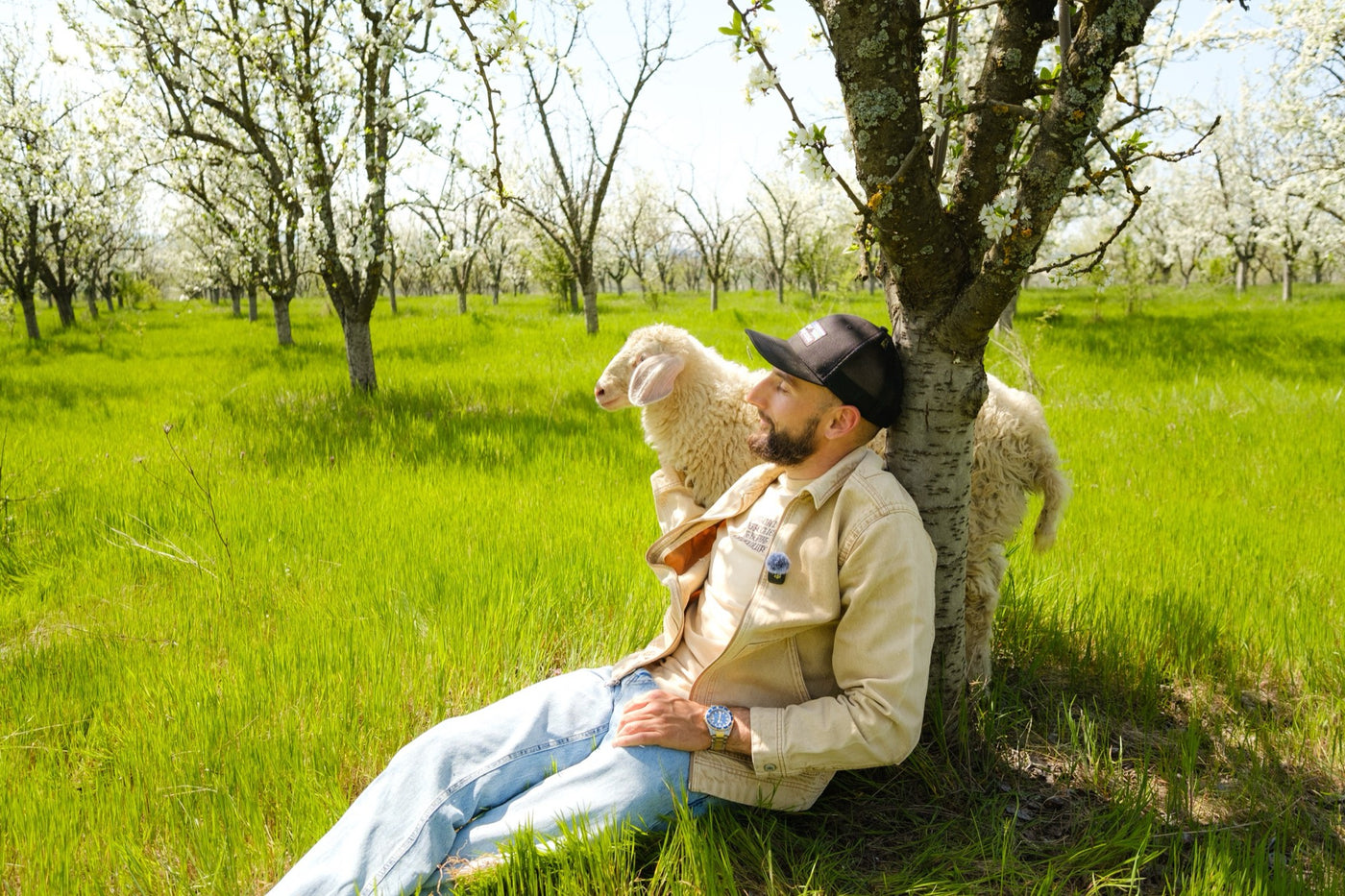
Someone grew this, and you can know their name.
Some of it we grow ourselves. The rest comes from people who have worked the same land for a long time and know it better than we ever will — and we go to them, not to a broker.
When we can name a grower, we name them. When we cannot yet, we say so.
How we work
The parts that are easy to skip.
Small batches
One place, one harvest, one batch. When a season is poor, the range is shorter that year.
Nothing added to stretch it
No fillers to make a harvest go further and no fragrance to cover what a plant actually smells like.
What's left behind
Glass, paper, and packaging we would be willing to explain to the people who grew the contents.
The longer version, in three parts.
-
01
Story
Why we do what we do — the seven years of farming that came before there was anything to sell.
Read the story -
02
Farm
Where it all begins. One piece of land, worked by the people whose name is on the bottle.
See the farm -
03
Regenerative practices
For the land, for the future. The four things we do every year, and what they cost us.
How we farm
The Expedition
The part you can watch.
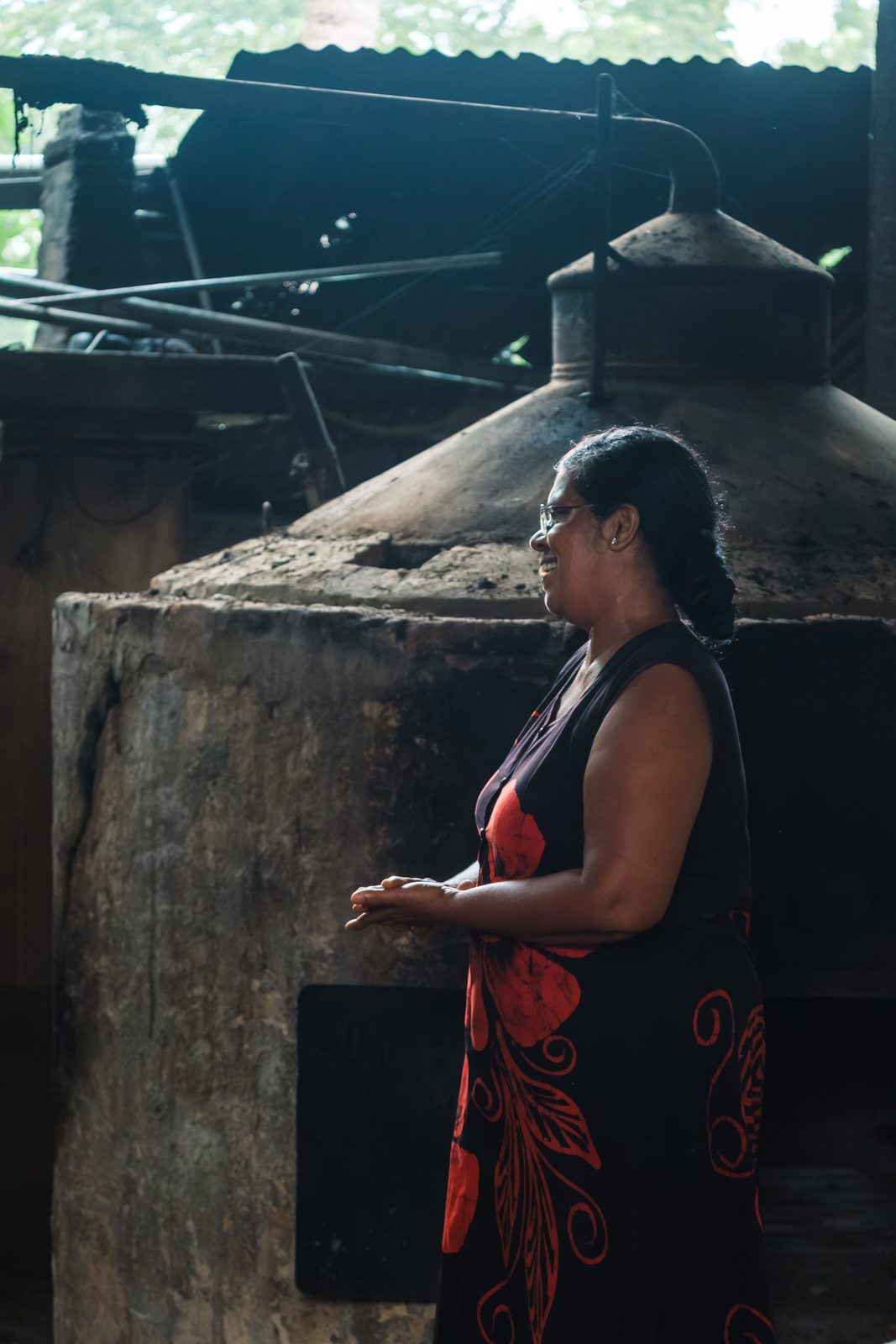
Some plants will not grow on our land, so we go and find them — and we film the trips. Bulgaria, Sri Lanka, wherever the next one goes, including the parts that do not work out.