

Our mission
For the land, for the future.
Regenerative farming has a plain test behind it: the soil should be in better condition at the end of a season than it was at the start. Everything below is how we try to pass it.
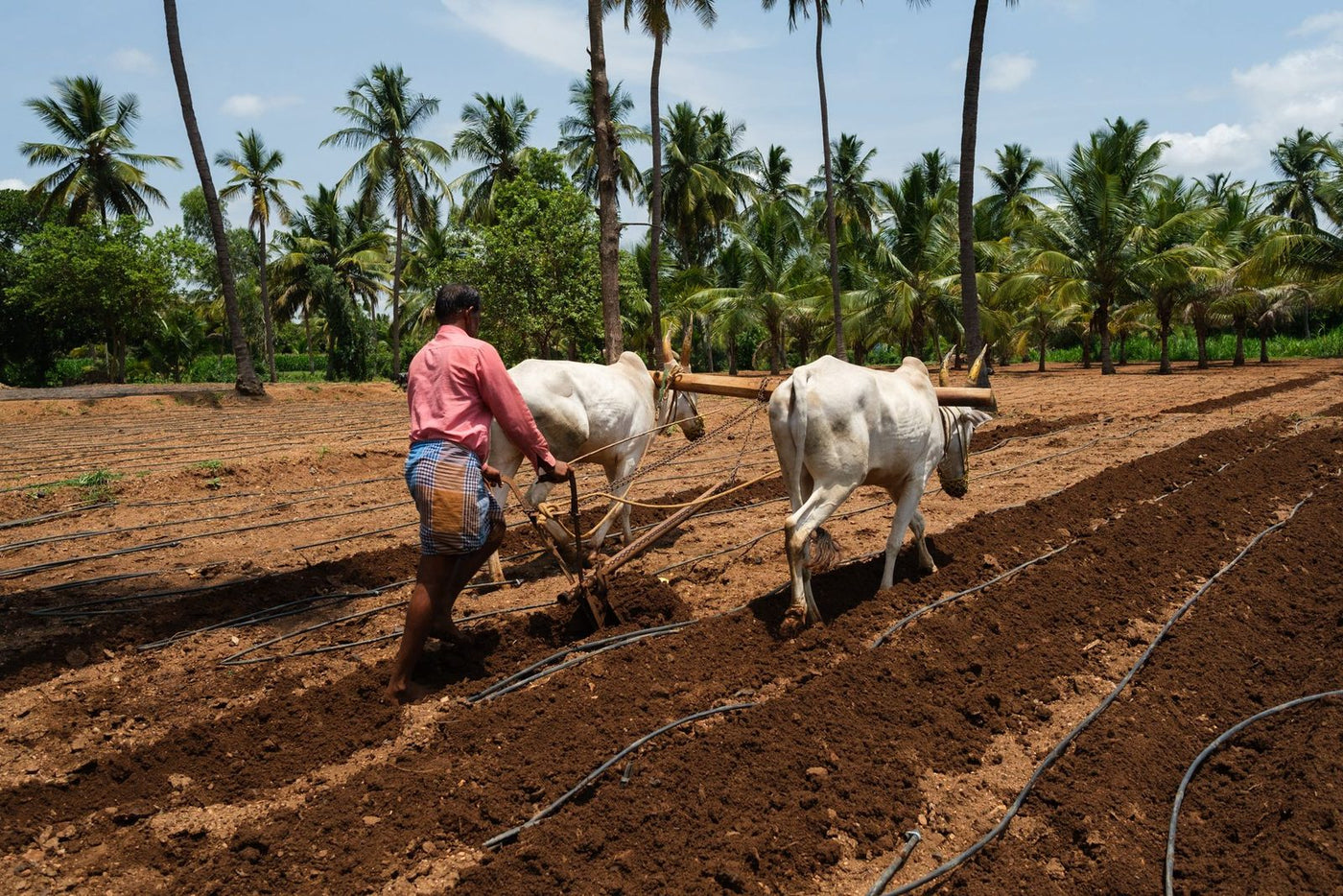

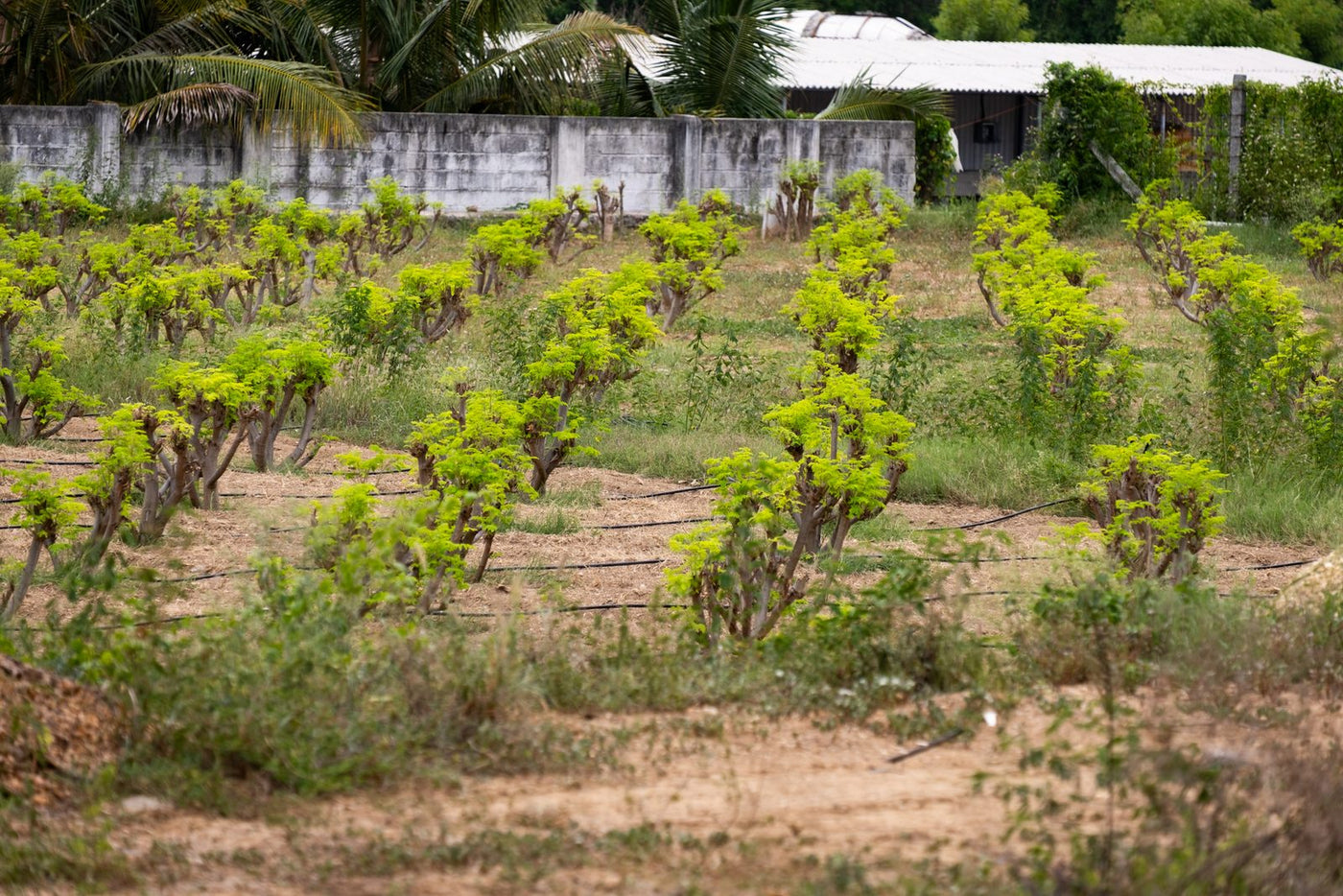
Better at the end of the season than at the start.
Organic says what you leave out. Regenerative says what you put back. We work to both, because one on its own is only half an answer — a field can be free of everything on the banned list and still be losing a little more of itself every year.
It is slower, and it yields less. That is the real price of the thing, and we would rather pay it than pretend it away.
The practices
Four things we do, every year, on every field.
Cover crops
Nothing overwinters bare. Roots stay in the ground so the soil holds together and feeds itself through the cold.
Rotation
Fields change crop and take seasons off. Growing the same thing in the same place is how you borrow against next year.
Animals back on the land
Grazing where it belongs in the cycle, so fertility comes from the farm rather than from a bag.
Minimum disturbance
As little turning of the soil as the crop allows. What lives in it is the part that took longest to build.
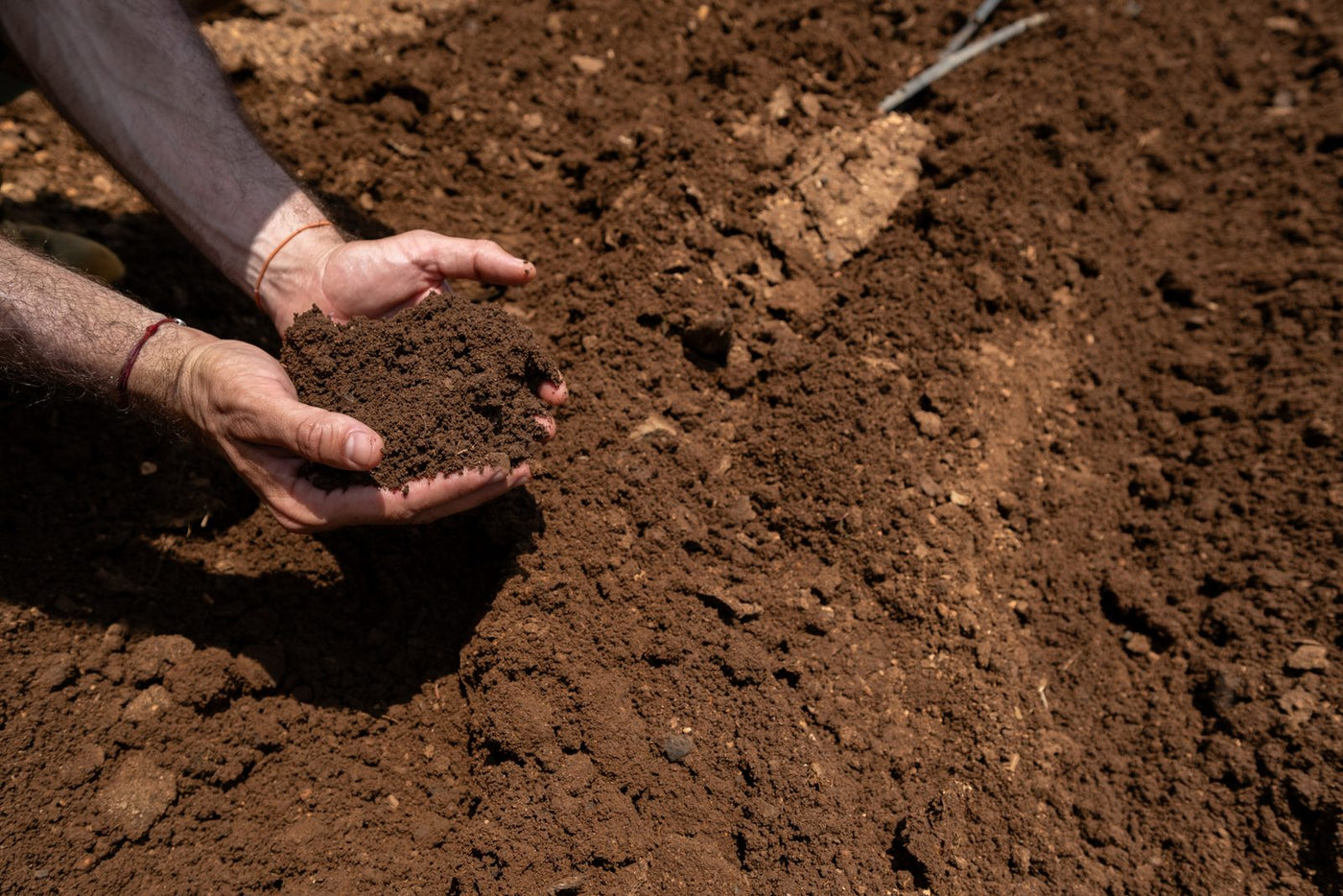
Land you can hand on is the only kind worth farming.
What it costs, and why we pay it.
Fewer litres per hectare. Harvest windows that cannot be widened. Years where a plant we had planned for simply does not come. The range is short partly because we like it that way and partly because this is what the ground gives.
The same standard applies to what leaves here: glass, paper, and packaging we would be willing to explain to the people who grew the contents.

Be first to know about new oils.
We send a note when an expedition turns into something you can buy. Nothing else, and not often.


